
If your rankings have stalled or slipped, the reason is rarely just one thing. In 2026, ranking on Google means clearing several layers at once, technical health, content quality, authority, and increasingly, visibility in AI-generated answers too.
Technical Issues Holding You Back
- Slow page load times, especially on mobile
- Pages blocked from indexing by mistake
- Broken internal links and outdated site structure
These issues are invisible to most visitors but very visible to Google, and they quietly cap how well any page can perform.
Thin or Outdated Content
Pages that briefly cover a topic without real depth struggle against competitors who answer the same question more thoroughly. Content that has not been reviewed in years often falls behind as search intent and competitor content both evolve.
No Real Keyword Strategy
Writing content around what you want to say, instead of what people are actually searching for, is one of the most common reasons a site never gains traction, no matter how much content gets published.
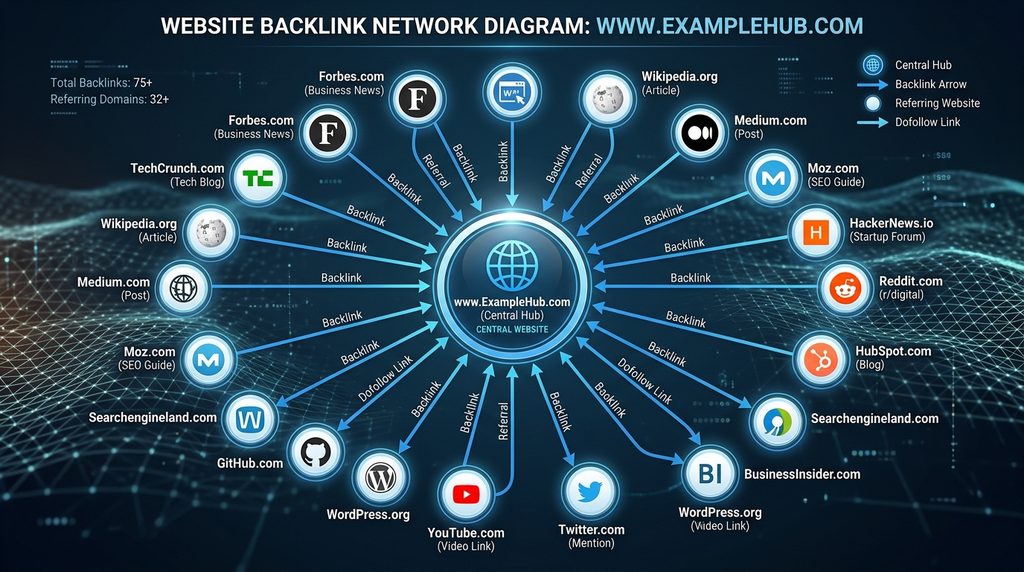
Weak or No Backlink Profile
Without other credible websites linking to yours, Google has limited evidence that your site is trustworthy, which caps how high you can rank regardless of content quality.
You’re Optimizing for Google Only, Not AI Search
A growing share of searches now get answered directly inside Google’s AI Overviews, ChatGPT, and similar tools, without a traditional click ever happening. Generative engine optimization (GEO) and AEO services focus on making sure your business gets cited inside these AI-generated answers, not just in the traditional blue links below them. Ignoring this layer entirely is becoming a real gap for businesses that rely heavily on organic visibility.
How to Fix It
Start with a full technical audit, then address content depth and keyword alignment, followed by a genuine backlink strategy. A capable SEO company in Pakistan will also increasingly factor AI search visibility into that same roadmap, rather than treating it as a separate project.
Frequently Asked Questions
1. Why did my rankings suddenly drop in 2026?
Sudden drops are usually tied to a Google algorithm update, a technical issue like accidental de-indexing, or a competitor’s content and backlink profile pulling ahead. A full audit is the fastest way to identify the cause.
2. Does AI search (GEO/AEO) really affect regular Google rankings?
AI Overviews and answer engines are a separate visibility layer from traditional rankings, but they increasingly influence how much organic click-through traffic a ranking actually generates, which is why both matter together.
3. How long does it take to recover lost rankings?
Recovery timelines vary depending on the cause, but most businesses see meaningful movement within 2 to 4 months of consistent corrective work.
4. Can old content hurt my SEO?
Yes, especially if it no longer reflects current information or search intent. Outdated content can lose rankings to fresher, more comprehensive competitor pages over time.
5. Is a website redesign necessary to fix ranking issues? Not always. Many ranking problems can be fixed through technical and content improvements without a full redesign, though a redesign may help if the underlying structure is fundamentally limiting.